
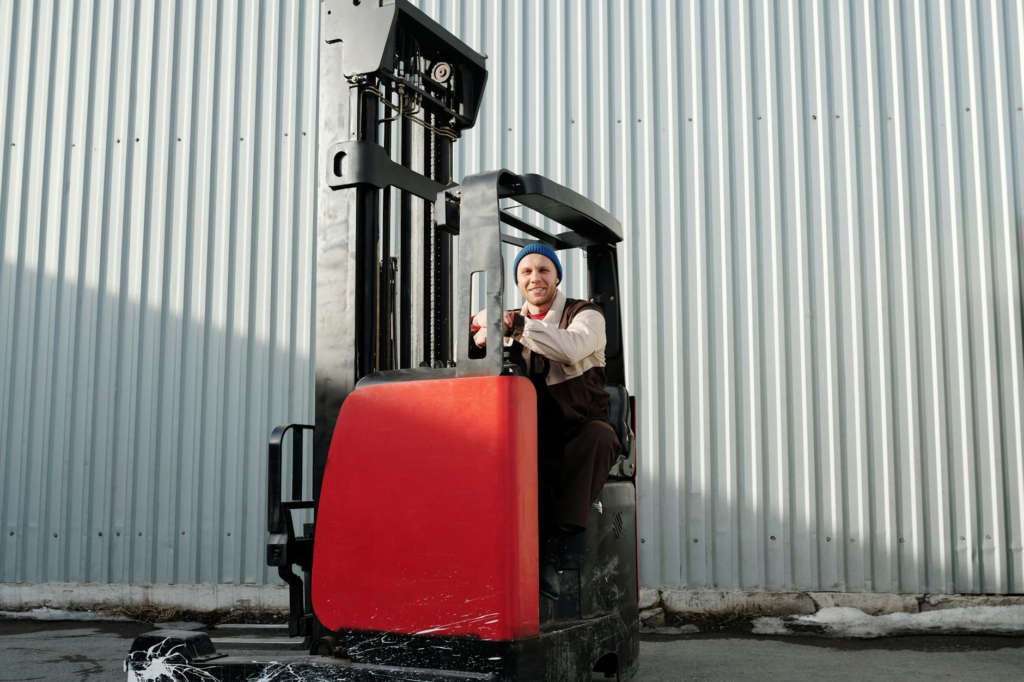
Building Competitive Advantage Through Targeted Staffing
Hiring the right people has always been a pivotal challenge for organizations aiming to stay competitive. In fast-paced markets, the ability to perform under tight deadlines, pivot to new opportunities, and maintain steady production goals often rests on how well your workforce is assembled. A well-designed staffing approach helps you rise to market challenges—scaling up for complex projects or reacting to industry shifts—without compromising efficiency or standards.
An effective staffing plan involves access to qualified talent in multiple sectors, whether you need candidates experienced in manufacturing, food packaging, construction, or administrative roles. By connecting with a specialized staffing partner, you can avoid wasting time on unqualified applicants and instead focus on interviewing top-tier professionals aligned with your operational demands. This not only mitigates the risks of fluctuating labor markets and high turnover but also serves as a crucial component of business resilience.
Why Hiring the Right People Matters More Than Ever
Today’s business landscape moves at lightning speed, with new opportunities emerging as quickly as old ones fade. The workforce you assemble has a ripple effect on nearly every dimension of your operation:
- Adaptability: A flexible team can scale or pivot when shifting consumer demands or project requirements arise.
- Efficiency: The right hires minimize downtime by bringing relevant expertise to the table from day one.
- Continuity: Both high turnover and labor shortages can derail progress, so investing in strong team dynamics pays long-term dividends.
By dedicating time and resources to a strategic staffing model, you set the groundwork for competitive advantage. Steady production outputs, timely project completions, and reliable service deliveries become the norm rather than the exception.
Optimizing Efficiency with Flexible Staffing Models Across Industries
One of the most effective ways to maintain agility in today’s marketplace is by implementing flexible staffing models. When managed properly, these models allow businesses to adapt their workforce in response to seasonal peaks, sudden surges in demand, or specialized project requirements. From manufacturing tasks and packaging lines to construction sites and office support, the flexibility to tailor your employee roster can significantly reduce costs and boost overall productivity.
Scaling Up or Pivoting on Demand
Different industries face unique seasonal and market fluctuations. In the manufacturing sector, demand might skyrocket seasonally or fluctuate due to shifts in consumer preference. Flexible staffing ensures you can secure:
- Skilled machine operators, line workers, or quality control technicians at short notice
- Maintenance personnel to keep machinery running efficiently during peak production stages
- Project-based experts who can oversee short-term initiatives or new product rollouts
In construction, versatile staffing becomes even more critical. Projects may progress through multiple phases—from groundwork to finishing touches—which require specialized skills like welding, carpentry, or electrical work. Having access to the right personnel for the exact phase of a project can minimize delays and ensure project milestones are met on schedule.
Leveraging Temporary, Temp-to-Hire, and Direct-Hire Strategies
When planned thoughtfully, a mix of staffing strategies can offer huge advantages:
- Temporary Positions: Quickly fill roles to handle unexpected spikes in workload or short-term projects.
- Temp-to-Hire: Evaluate real-world performance before committing to a permanent hire, reducing the risk of turnover.
- Direct-Hire: Secure experienced professionals who can immediately contribute at a high level and integrate into long-term company objectives.
Each model allows for strategic scaling. When workflows intensify, you can rapidly bring in specialized talent. Once production normalizes, you can revert to a smaller core team without incurring unnecessary overhead. This operational elasticity fosters healthier profit margins, while also preserving resources for future investments or expansions.
Cross-Industry Knowledge Transfer for Breakthrough Insights
Another overlooked benefit of flexible staffing is the intellectual cross-pollination that happens when individuals with varied backgrounds join your operation. Professionals who have worked in multiple sectors bring fresh eyes to longstanding processes:
- Administrative experts from logistics and HR might streamline warehouse documentation.
- A technician with both automotive and heavy machinery experience can optimize production line setups.
- A construction project manager who has also overseen renewable energy installations can recommend cutting-edge sustainability measures.
By tapping into this diversity of thought, companies spark innovation and improve collaboration across departments. New hires can introduce best practices that help refine processes or foster better teamwork, all while aligning with your overarching objectives.
Customizing the Hiring Process for Production Demands
While flexibility in workforce management is paramount, the hiring process itself also requires careful customization. Each industry and role calls for unique skill sets, and a one-size-fits-all recruitment approach often leads to misplaced talent. Organizations must define job responsibilities precisely and highlight the qualifications that truly impact performance.
Crafting Accurate Job Descriptions and Essential Criteria
The first step in a tailored hiring process is a clear, detailed job description. For instance, if you need specialized operators for CNC milling machines, outline the exact programming or technical proficiencies they should have. In food packaging, stress the importance of handling perishable goods and adhering to health regulations for product integrity. When it comes to warehouse environments, consider criteria such as:
- Forklift certifications and up-to-date safety protocols
- Physical ability to handle repetitive lifting or prolonged standing
- Proficiency in inventory and logistics software
By delineating these requirements from the outset, you minimize the time spent interviewing unsuitable candidates. Clear role definitions also help prospective employees determine whether they’re a good fit, cutting down on the risk of early turnover.
Leveraging Behavioral and Situational Interviews
Beyond listing must-have qualifications, it’s equally important to learn how candidates handle real-world scenarios. Behavioral or situational interviews offer deeper insight:
- A candidate may be asked how they’ve dealt with unexpected equipment failures under a tight deadline.
- Interviewers can explore how an applicant navigated conflicts on a busy project site.
- Questions might probe creative problem-solving, such as reorganizing a production line to meet urgent throughput targets.
These targeted discussions reveal much more than technical capabilities. They highlight critical thinking, resilience under pressure, and the ability to collaborate. This approach also accelerates onboarding by clarifying expectations of day-to-day challenges and team culture from the very start.
Prioritizing Safety, Compliance, and Continuous Skill Development
Safety and regulatory compliance are non-negotiable in industries like food processing, construction, and warehousing. Compliance breaches can lead to steep fines, project setbacks, and damage to your company’s reputation. By integrating safety measures into your staffing strategy, you safeguard both employees and operational longevity.
Staying Ahead of Regulatory Requirements
Organizations must navigate a host of regulations, from OSHA standards in general industry and construction to specialized guidelines from the FDA or state-level agencies. An effective staffing partner or in-house HR department should:
- Verify each candidate’s level of compliance training and certifications
- Provide continuous education on emerging regulations and best practices
- Maintain documentation of safety protocols and strictly enforce them on the job site
For example, in food manufacturing environments, Hazard Analysis and Critical Control Points (HACCP) certifications can be essential. Construction teams often need updated fall protection and lockout/tagout (LOTO) training. Ensuring that new hires arrive fully prepared mitigates risks and keeps your projects running smoothly.
Fostering a Culture of Growth and Upskilling
Beyond simply meeting regulations, many companies aim to build a strong internal talent pipeline. Ongoing professional development can be a powerful retention tool and a way to deepen expertise within your workforce. This may include:
- Forklift recertifications for warehouse teams
- Construction safety refreshers for on-site crews
- Advanced welding or quality control training for manufacturing specialists
- Leadership and supervisory courses for emerging team leads
By actively promoting skill development, businesses cultivate motivated employees who are prepared to take on greater responsibilities. In turn, these efforts drive innovation and keep your operations resilient against rapid market shifts.
Enhancing Recruitment and Onboarding Through Data Analytics
Data-driven strategies are revolutionizing how organizations recruit and retain top talent. Metrics such as time-to-fill, placement success rates, and employee longevity shed light on the efficiency of your hiring process and expose any persistent challenges. Rather than relying solely on gut instinct, data analytics provides concrete insights, enabling you to:
- Identify bottlenecks where applicants drop out or get stuck
- Refine job descriptions to attract better-matched candidates
- Monitor retention rates by department or skill set
Deploying an applicant tracking system (ATS) can automate notifications, screen resumes for keywords, and schedule interviews. When integrated with analytics tools, an ATS helps pinpoint skill gaps in your talent pool or recurring reasons for candidate rejection. By adjusting your criteria and processes based on these findings, you not only save time but also cut down on hiring costs.
Onboarding That Sets the Stage for Long-Term Success
Once the right individuals have been selected, a structured onboarding program cements their commitment. Effective onboarding can include:
- Company Values and Safety Procedures: Offering comprehensive safety orientations ensures new employees are compliant from day one.
- Mentorship Opportunities: Pairing newcomers with seasoned employees fosters team cohesion and accelerates skill transfer.
- Feedback Mechanisms: Early-stage surveys or follow-up meetings help gauge the clarity of training and identify areas for improvement.
Laying out performance expectations during onboarding helps new hires hit the ground running. As a result, both productivity and morale receive a boost, which translates to fewer miscommunications and immediate contributions to core operations.
Elevating Retention and Long-Term Employee Engagement
Identifying talented individuals is only half the battle; retaining them is equally critical, especially in labor-intensive fields like manufacturing or warehousing. High turnover disrupts workflow, increases hiring costs, and damages team cohesion. By building clear growth paths and fostering an environment where employees feel heard, organizations set themselves up for sustainable success.
Building Career Pathways and Encouraging Open Communication
Many roles in production or packaging offer structured pathways for advancement. For example, a line worker who demonstrates initiative might move into quality control or supervisory positions after specific training. By clearly outlining:
- The technical or leadership skills needed for promotion
- Timelines for evaluating performance and giving raises
- Ongoing mentorship or coaching opportunities
Businesses create a transparent roadmap that keeps employees engaged. Regular feedback sessions also allow for two-way dialogue, where team members can voice concerns or share ideas. Employees who perceive their input is valued are more likely to remain loyal and strive to improve.
Promoting Flexibility and Job Rotation
Another dynamic way to heighten retention is by offering flexible shift schedules and opportunities for job rotation. In construction, for instance, multiple shifts might run concurrently during peak building seasons. Allowing workers to select or swap preferred shifts can minimize burnout and accommodate different personal commitments.
Job rotation keeps monotony at bay by letting employees explore varied tasks. A warehouse associate might spend part of the week on inventory management and another part learning basic quality checks. This fosters cross-training, making your workforce more adaptable and resilient.
Harnessing a Well-Aligned Workforce for Competitive Strength
When businesses systematically integrate flexible hiring models, tailor their recruitment processes, prioritize safety and compliance, and leverage data analytics, they position themselves for consistent success. A robust staffing strategy enables organizations to thrive, even under shifting market conditions and tight project demands. As a result, timelines remain on track, product quality remains high, and teams can confidently handle sudden boosts in production or emerging industry trends.
In the face of intensifying competition—in manufacturing, construction, food processing, or administrative services—your people become your most valuable differentiator. By ensuring that each role is filled by a qualified, motivated individual, you establish a culture of excellence. Over time, this approach not only yields measurable efficiencies but also drives greater innovation, as team members continue to build upon each other’s strengths.
Partnering with Action Group Staffing for Sustainable Results
While each step—from defining clear job descriptions to offering ongoing training—positions you for long-term prosperity, collaborating with a specialized staffing firm can deliver an added layer of strategic advantage. Action Group Staffing offers deep expertise in connecting organizations with the right talent across manufacturing, food packaging, construction, and administrative segments. Our process is comprehensive yet highly adaptable, ensuring you secure the talent and resources you need to stay ahead of evolving market demands. By focusing on the specific skill sets, compliance needs, and cultural fit for each position, our team streamlines your staffing journey—empowering you to place the right people in the right roles at precisely the right time.
