A practical way to overcome these hurdles is to develop a comprehensive staffing strategy that includes temporary placements, temp-to-hire roles, and direct hire positions. Each staffing model speaks to a different business need: covering short-term spikes in demand, identifying long-term roles with reduced turnover risks, and ensuring crucial leadership or specialized expertise remains in-house. When utilized as part of a bigger workforce plan, these models help businesses maintain steady growth, stay prepared for seasonal fluctuations, and seize new opportunities in emerging industries.
Leveraging Flexible Staffing Models for Competitive Advantage
Flexible staffing empowers an organization to adapt to sudden market changes, unexpected surges in production, or expansions into new verticals. Rather than committing to a one-size-fits-all hiring approach, companies can calibrate their workforce composition. Below are three core staffing options and how they can collectively reinforce an agile business strategy.
Temporary Placement for Fast-Track Solutions
Temporary staffing offers quick access to qualified personnel for short-term projects, peak seasons, or unique one-off assignments. Instead of building permanent headcount that may go underutilized if demand wanes, organizations can bring in contract workers for a specified duration. This is a popular strategy for manufacturing facilities or food packaging plants that experience significant production spikes around holidays or promotional campaigns.
Key benefits of temporary placements include:
- Immediate Workforce Expansion: Rapid onboarding meets urgent needs without overextending existing teams.
- Cost-Effectiveness: Businesses pay only for the duration of the assignment, avoiding long-term salary obligations.
- Diagnostic Insight: Monitoring production volume during these spikes can highlight persistent or recurring labor gaps, shaping future hiring strategies.
By leveraging temporary staff, a company ensures it can respond to shifting market conditions with minimal disruption. Over time, assessing the success of these short-term placements can also offer insights into whether permanent hires are necessary.
Temp-to-Hire: Bridging Short-Term Demand and Long-Term Stability
Temp-to-hire roles combine the flexibility of contract assignments with the potential for permanent employment. This model functions like an extended job audition, allowing both the worker and the employer to gauge performance, culture fit, and reliability. In industries like warehouse distribution or construction trades, where the work can be physically demanding and requires meticulous safety standards, a temp-to-hire approach ensures that new talent can be tested under real-world conditions.
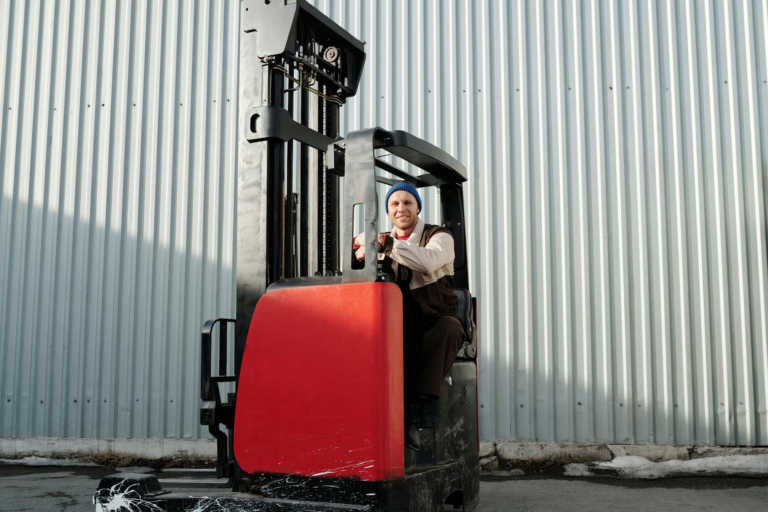
For example, a forklift driver might begin on a provisional contract, operating equipment in a high-volume warehouse setting. If the driver consistently meets productivity targets, adheres to safety protocols, and meshes well with colleagues, the transition to full-time employment becomes seamless. This smooth shift reduces turnover risk by ensuring only those professionals who meet performance benchmarks remain in your ranks.
Direct Hire for Critical, Long-Term Roles
Companies in specialized or leadership-focused fields—such as industrial engineering, solar energy, or senior administrative positions—often need to secure high-caliber professionals who will commit to organizational goals for the long haul. Direct hire placements are suitable for these roles, as they target candidates seeking stability and growth within a particular company.
In renewable energy, for instance, direct hires might include engineers devising cutting-edge solar technology or project managers overseeing large-scale installations. Attracting this level of expertise typically requires a compelling compensation package, clear career progression, and opportunities for skill enhancement. By working with a knowledgeable staffing partner, hiring managers gain insights into market pay ranges and the specific competencies in demand, ensuring new hires have both the technical background and leadership aptitude needed to drive sustainable success.
Maximizing Output in Manufacturing and Food Packaging
Manufacturing and food packaging sectors are subject to constantly shifting production cycles. Consumer habits, regulatory changes, and fluctuating supply chains can suddenly alter project timelines or order quantities. An effective staffing plan helps stabilize throughput, quality control, and compliance so that processes continue without interruption.
Anticipating Seasonal Fluctuations with Temporary Staff
Many manufacturing plants experience heightened activity during certain times of the year—think holiday-related surges or big promotional pushes. Temporary staffing can bridge these seasonal gaps by bringing in machine operators, production line workers, or quality inspectors on short notice. Assignments can last a few weeks or several months, ensuring that core teams aren’t overworked during peak demand.
In a high-volume food packaging environment, for example, sudden increases in orders might require additional hands for sorting and packing. Rather than risking burnout for permanent employees, companies can bolster their workforce with trained contract staff. Once the surge subsides, reducing the temporary workforce becomes a straightforward process, leaving the core team intact and ready for the next challenge.
Integrating Safety Protocols and Quality Control
Stringent safety procedures and hygiene standards are crucial in manufacturing and food packaging. Machinery handling, personal protective equipment (PPE) protocols, and sanitation measures require rigorous training to avoid accidents, contamination, or other costly setbacks. When bringing on new team members—whether temporary, temp-to-hire, or permanent—businesses should:
- Provide Comprehensive Onboarding: Outline proper equipment use, emergency procedures, and process guidelines.
- Ensure Role-Specific Training: Address tasks such as operating specialized machinery or following strict cleanliness protocols.
- Enforce Continuous Monitoring: Encourage supervisors to routinely check compliance and address any gaps as they appear.
A staffing partner familiar with the industrial sector can streamline this process by pre-selecting candidates who already have experience with stringent safety and quality demands. This mitigates risk and keeps production flowing smoothly, even when workforce composition changes frequently.
Strengthening Logistics and Warehousing Through Skilled Talent
Logistics and warehousing operations form the backbone of many “just-in-time” delivery models. Businesses that depend on rapid shipping, accurate inventory management, and tight deadlines rely heavily on well-trained workers who can perform consistently under pressure. By deploying flexible staffing models, warehouses can efficiently manage workflow surges and maintain top-tier fulfillment rates.
Alleviating Worker Shortages and High Turnover
Warehouses are often physically demanding environments. High turnover is not uncommon when employees feel burned out or perceive limited advancement opportunities. An effective staffing plan involves searching for forklift drivers, pickers, packers, and inventory specialists with proven track records of steady performance.
To curtail attrition, staffing managers should:
- Assess Physical Endurance: Ensure new hires can handle repetitive tasks and long shifts.
- Screen for Technical Proficiency: Verify experience with handheld scanners, automated tracking systems, or other warehouse technology.
- Offer Cross-Training: Grow a pool of employees able to pivot between shipping, receiving, and assembly duties as needed.
Cross-training not only enhances team flexibility but also keeps workers engaged, as they develop new skills and maintain a sense of career progression.
Essential Capabilities for Seamless Distribution
While physical stamina is crucial, soft skills further differentiate top-tier warehouse talent. Clear communication, careful problem-solving, and acute attention to detail can make the difference between meeting shipping targets and dealing with repeated bottlenecks. Workers who quickly notice damaged goods or labeling errors help avoid lost revenue and dissatisfied customers.
In addition to boosting efficiency, a culture of teamwork promotes greater retention. When employees are encouraged to collaborate and support one another, they often display higher job satisfaction. A strong staffing partnership, therefore, will consider both the tangible and intangible traits that enable a warehouse to perform at its best.
Enhancing Construction Projects with Qualified Tradespeople
Construction sites require highly specialized skills, alongside a versatile crew able to address evolving project demands. From electricians and welders to solar panel installers and plumbers, each trade plays a critical role in meeting deadlines and complying with safety regulations. A precise staffing approach ensures each phase of work proceeds efficiently, avoiding costly interruptions.
Minimizing Delays with On-Demand Craftspeople
Delays in construction can multiply expenses by creating a chain reaction of missed targets and potential penalties. Skilled trades are frequently in high demand, making them difficult to source without the right recruiting channels. Leveraging a staffing partner with extensive industry connections allows project managers to find licensed and experienced tradespeople on short notice.
Suppose a major commercial build requires multiple welders for steel framework installation. An established staffing agency can rapidly identify candidates with the correct certifications and experience, minimizing downtime. This method preserves project timelines and keeps labor costs predictable—vital considerations for contractors working with tight margins.
Synchronizing Workforce Levels with Construction Timelines
Construction projects rarely unfold in a straight line. Varying permitting processes and weather constraints can cause unexpected slowdowns or abrupt restarts. By employing flexible staffing models such as temp-to-hire, managers can maintain a smaller permanently employed core team while mobilizing additional workers when workloads intensify.
This adaptability is particularly valuable for projects that feature multiple phases—foundation work, wiring, interior finishing, and final inspection. Each milestone may demand a different type of specialized labor. A strategic plan ensures the right experts arrive just in time, preventing idle hands or stalled progress.
Scaling Renewable Energy and Emerging Sectors
Renewable energy industries—including solar, wind, and hydropower—are expanding at a rapid pace. Technological breakthroughs, new government incentives, and growing consumer interest in greener options push companies to build teams that can handle advanced equipment and evolving compliance standards. A strong staffing framework supports these emerging sectors by supplying ready-to-go specialists who can adapt to continuous innovation.
Recruiting Specialized Technicians and Engineers
Think of solar installation as an example: each project can involve electrical technicians, design engineers, on-site supervisors, and individuals adept at navigating local building codes. Finding and mobilizing this level of expertise quickly can be difficult, yet essential when a large contract comes through or government rebates accelerate adoption rates.
A staffing partner who understands the nuances of renewable energy sourcing may maintain a database of certified installers, engineers, and inspectors. As a result, businesses can more easily ramp up for major projects without losing precious time in recruitment. This leads to better budget alignment, faster project completion, and satisfied stakeholders.
Ensuring Workforce Readiness for Rapid Industry Growth
Renewable energy thrives on both technical innovation and policy shifts, which can change rapidly based on new legislation or environmental goals. Continuous training and upskilling keep teams current with the latest safety regulations, installation techniques, and software tools. Employers can:
- Host Regular Workshops: Invite industry experts to teach best practices and emerging methods.
- Encourage Certification Programs: Support employees seeking advanced qualifications or new skill sets.
- Adopt Digital Platforms: Track project progress and compliance milestones using comprehensive software solutions.
This investment pays off through increased staff retention, better project outcomes, and a stronger overall reputation in a competitive sector. By integrating training initiatives into broader workforce strategies, organizations fortify their standing as innovators and reliable providers in renewable energy.
Building a Future-Ready Workforce Through Data-Driven Planning
Beyond managing day-to-day operations, companies aiming for lasting growth should leverage predictive analytics to inform hiring decisions. Analyzing historical data about production cycles, busy seasons, or major construction phases provides actionable insights into when and how extensively to scale up (or down).
For instance, a manufacturing firm can review data from the previous five years to determine average order volumes during peak times. Anticipating a predictable holiday rush, managers can proactively arrange a temporary workforce, train them on relevant processes, and have them ready to go days or weeks before volume spikes. Meanwhile, a construction firm tracking local permit approvals or the timing of major commercial developments can gauge when additional electricians or plumbers will be needed.
This kind of planning allows organizations to avoid last-minute scrambles or missed production targets. Moreover, it fosters a culture of preparedness. When employees recognize that leadership acts with foresight—rather than reacting under pressure—they often experience higher morale and stronger collaboration.
Empowering Your Organization with Strategic Staffing Partnerships
By combining flexible staffing models with industry-specific expertise, organizations can position themselves to overcome labor shortages, respond quickly to new market fluctuations, and secure high-performing talent for critical, specialized roles. Whether you operate a large warehouse distribution center, a regional construction firm, or a fast-growing renewable energy venture, the right workforce strategy can accelerate timelines, maintain safety and quality, and adapt to future innovations.
Thoughtful, data-driven planning minimizes turnover risks, reduces overtime costs, and ensures you have the right team in place—no matter how quickly conditions shift. Partnering with a seasoned staffing provider is especially beneficial: a knowledgeable agency brings an expansive talent pool, insight into evolving regulations, and best practices gleaned from multiple industries.
Backed by decades of experience, Action Group Staffing offers customized services that align with your company’s objectives and budget. Our aim is not just to fill open positions, but to help you form a robust, future-ready workforce capable of leading your organization toward sustained success.